
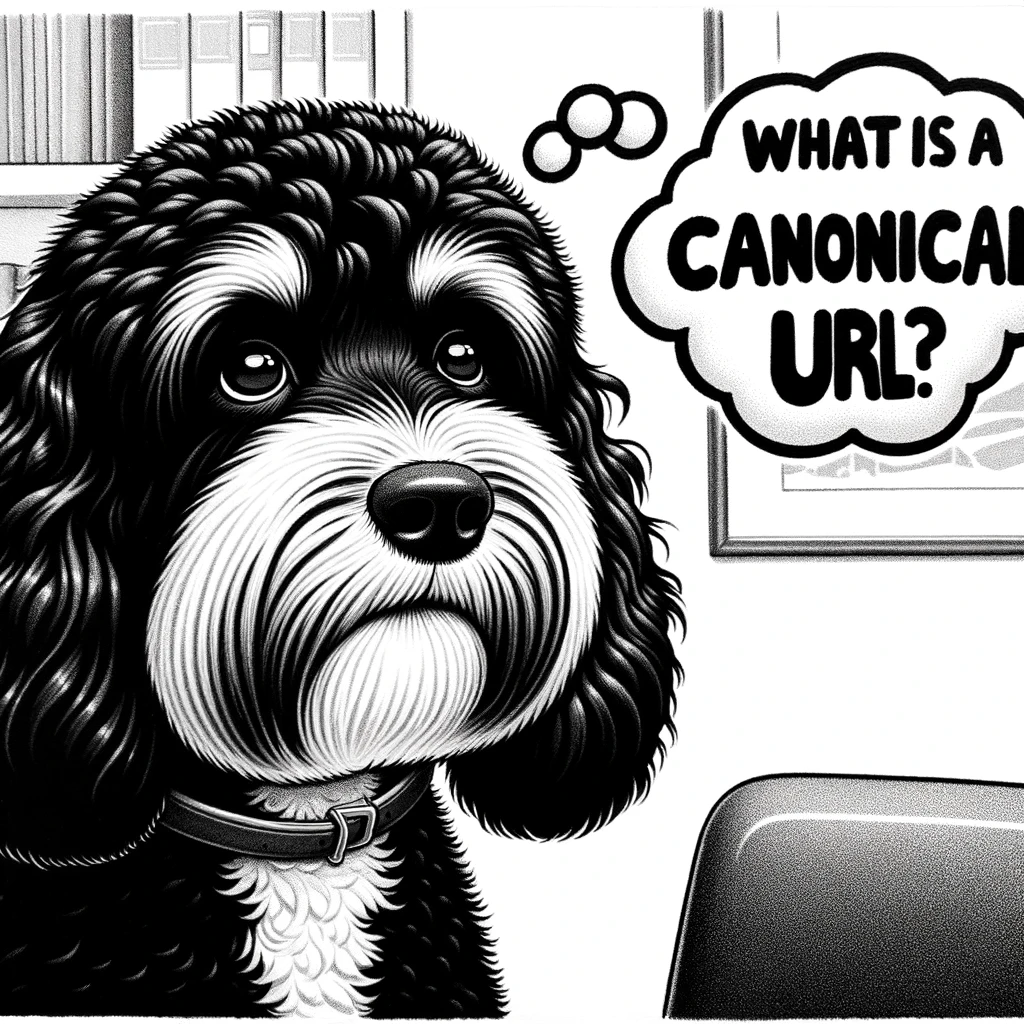
Understanding Canonical URLs
Canonical URLs are a critical component for webmasters and SEO professionals to understand. They help prevent content duplication across multiple URLs and signal search engines on which version of a page is the primary one.
Definition and Purpose
A canonical URL refers to the designated ‘master’ version of a page. It is a way to inform search engines such as Google which version of a URL one prefers to be indexed and displayed in search results. The purpose of this method, known as canonicalization, is to resolve issues where identical or “duplicate” content exists on multiple URLs. Without canonicalization, search engines might not rank the pages effectively, which could dilute search visibility or split ranking signals.
- Prevents duplicate content penalties: Duplicate content can lead to search engine penalties or confuse search engines, leading them to compete against each other.
- Consolidates ranking signals: Links and content metrics are consolidated to a single, canonical version, which can result in a stronger SEO presence for that URL.
Implementation in HTML
Incorporating a canonical tag within the <head> section of an HTML document is the standard method for specifying a canonical URL. The <link> HTML element with the attribute rel="canonical" indicates the preferred URL:
<link rel="canonical" href="https://www.example.com/preferred-url" />
- Simple to add: Adding this line of HTML code is straightforward for web developers or those managing a website.
- Versatile across different pages: One can define a canonical link for each page that has potential duplicate content to direct search engines effectively.
By accurately implementing the canonical tag, search engines are better equipped to crawl and index the URLs, thus enhancing the site’s SEO performance. It is an essential practice for website maintenance and search engine optimization.
Best Practices for Canonical URLs
Canonicalization is essential for directing search engines to the preferred URL of a page, ensuring that duplicate content does not dilute the page’s value. This prioritization assists in maintaining a site’s search engine optimization (SEO) integrity.
Proper Use of Tags
Canonical tags should be used consistently. A site must declare a preferred URL with a canonical tag, especially if multiple versions of a page exist. For example, https://www.example.com and https://example.com should have a canonical tag that points to the chosen version. Creating these tags requires precise syntax, such as <link rel="canonical" href="https://www.example.com/page"/>, to consolidate ranking signals and prevent content duplication issues.
Managing Duplicate Content
When dealing with duplicate content, it is crucial to employ canonical URLs as a strategic solution. By specifying a canonical URL, one indicates to search engines which version of content to show in search results. This practice not only helps in mitigating SEO problems but also consolidates link equity to a single URL, fostering stronger relevancy and authority for the chosen page.
Redirects and Their Impact
Redirects, such as a 301 redirect, serve to permanently move a page from one URL to another, typically handing over the SEO value to the redirect destination. When a URL changes, a 301 redirect should be put in place to guide both users and search engines to the new location. It is advisable to implement HTTPS to secure the site, which can be indicated in the systematic URL structure during redirections, ensuring secure connections and a slight ranking advantage given by search engines for secure sites.
Canonical URLs and SEO
Canonical URLs play a pivotal role in optimizing a website’s SEO, as they help prevent confusion caused by duplicate content and signal the preferred URL to search engines.
Influence on Search Rankings
Search engines like Google use a process called crawling to discover web pages and indexing to add them to their index. When multiple pages with highly similar content exist, search engines can struggle to determine which version is most relevant to a search query. By using a canonical tag, webmasters can specify which version of a page should be considered the authoritative one and thus included in search engine results pages (SERPs). This practice can bolster a page’s visibility by consolidating domain authority and avoiding dilution through scattered content.
- Benefits of using Canonical URLs:
- Consolidates link equity to a single URL
- Helps maintain a cleaner Google index
- Can lead to more focused and higher rankings in search results
Monitoring and Adjusting for SEO
To maintain and improve their website’s SEO, webmasters should regularly monitor the performance of their canonical URLs using tools like Google Search Console. This tool offers insights into how a site’s URLs are indexed and helps identify issues with duplicate content.
- Key actions in Google Search Console:
- Verify canonical URL selection by Google
- Check for alerts about indexing problems
- Review the coverage report for detected issues
Proper implementation and ongoing assessment of canonical URLs help ensure that the preferred page ranks in search results, which reinforces the site’s SEO strategy. Regular adjustments may be necessary as new content is added or site architecture evolves, keeping the preferred domain and its authority focused and effective.