Understanding WordPress Plugin Basics
Before integrating plugins into a WordPress website, one needs a firm grasp of their essential nature and their pivotal role in enhancing website functionality. Correct selection and application are crucial for site performance and compatibility.
Defining Plugins and Their Functionality
WordPress plugins are modules or software add-ons designed to extend and add to the capabilities of a WordPress website without altering the core software. Plugins can offer a broad range of features, from small tweaks like customizing a sidebar to significant enhancements such as adding e-commerce functionality. Essentially, they provide a method to personalize a site’s capabilities based on the specific needs of the website owner.
The Role of Plugins in WordPress Website Enhancement
Plugins are instrumental in tailoring the WordPress experience. They contribute to website enhancement by introducing new features and functionality that can elevate a user’s website, potentially increasing efficiency, visitor engagement, and overall site performance. Notably, a well-chosen plugin can streamline complex processes, integrate social media, improve SEO, and empower a website with analytics tools.
Plugin Compatibility with Your Version of WordPress
It’s imperative to ensure that any chosen WordPress plugin is compatible with your current version of WordPress. An incompatible plugin may lead to website malfunctions or security vulnerabilities. Users should check the plugin’s details for the latest updates and version compatibility. Regular plugin updates are also vital for security and functionality, as they often include patches for security issues and improvements to performance.
Evaluating Plugin Quality and Performance
When selecting WordPress plugins, one must focus on quality and performance. These factors have a direct impact on website efficiency and user experience.
Analyzing User Reviews and Ratings
Evaluating user reviews and ratings provides insight into the reliability and effectiveness of a plugin. High ratings generally indicate a plugin’s quality, but reading reviews can reveal specifics about user experiences, including any recurring issues or commendations for particular features.
Importance of Frequent Updates and Support
Plugins should be frequently updated to ensure compatibility with the latest WordPress updates and to address security vulnerabilities. Regular updates and responsive support are signs of a dedicated developer and can drastically reduce the risks of a compromised website.
Assessing Speed and Security Features
Speed is vital to plugin performance, as slow plugins can lead to increased load times. It is imperative to choose plugins optimized for performance, minimizing unnecessary requests to databases. Additionally, security features are non-negotiable; a quality plugin should offer strong security measures to safeguard against potential threats and vulnerabilities.
Choosing Between Free and Premium Plugins
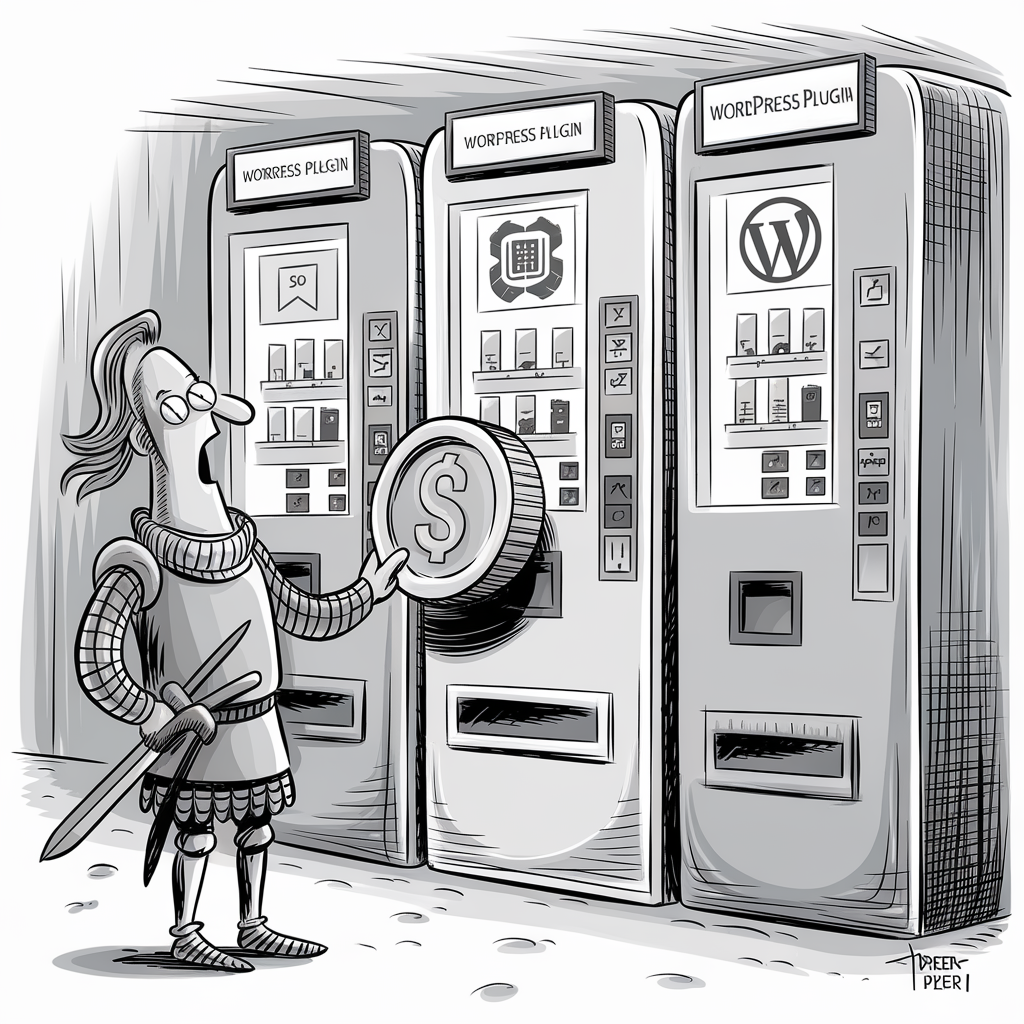
When selecting WordPress plugins, the primary decision is whether to go for free plugins or invest in their premium counterparts. The choice depends on the value and functionality one expects to achieve and the financial aspect of managing the website.
Comparing Features and Value
Free Plugins generally offer basic features that cater to standard needs. It’s essential to compare the features of both free and premium plugins – a free plugin may provide everything needed for a site’s functionality. However, premium plugins often boast advanced features and customization options that elevate a website’s capabilities.
- Features of Free Plugins: Usually basic, with limited customization.
- Features of Premium Plugins: More advanced, offering a higher level of customization and functionality.
One must not merely look at the price but the value it brings in comparison to one’s functionality requirements.
Deciding When to Invest in Premium Plugins
The decision to invest in premium versions usually comes when specific needs are beyond the scope of free alternatives. For instance, premium plugins can be imperative for:
- E-commerce sites that require secure payment gateways.
- Websites needing specialized SEO or social media features.
Premium plugins often come with dedicated support and regular updates, which can be crucial for a website’s long-term health and performance.
Reaping the Benefits of a Free Plugin Market
Despite the allure of premium plugins, the free plugin market should not be underestimated. Users benefit from a variety of choices and can easily test plugins’ functionality without financial commitment. A free plugin, particularly one with strong reviews, can be just as effective as a paid one for many users.
- Security: Look for free plugins with regular updates.
- Support: Understand that while support is limited, the wealth of user reviews can be incredibly informative.
Engaging with the free plugin market allows for experimentation and discovery of what works best for one’s site before making any investments.
Integrating Plugins with Business and Ecommerce
Selecting the right WordPress plugins is essential for blending ecommerce functionality with business objectives. They can enhance the user experience, improve SEO, and facilitate effective marketing strategies.
Optimizing for SEO and Social Media
Integrating plugins specialising in SEO (Search Engine Optimization) is crucial for any ecommerce store. A plugin like Yoast SEO fine-tunes website content, ensuring that it ranks higher in search results, leading to increased visibility and traffic. Social media integrations are vital as well; plugins that enable sharing features and social media feeds directly on a WordPress website empower users to engage with content and spread brand awareness.
Choosing Ecommerce Plugins like WooCommerce
When running an ecommerce store on a WordPress website, the choice of ecommerce plugins can make or break the business. WooCommerce stands out as the most comprehensive solution, offering vast customization options, numerous themes, and the ability to sell both physical and digital products. Selecting a plugin with a strong reputation and support system like WooCommerce is integral to operational reliability and customer satisfaction.
Leveraging Plugins for Marketing and Lead Generation
Plugins play a pivotal role in marketing and lead generation strategies. Effective use of plugins can help capture visitor information, offer subscription services, and launch email marketing campaigns. For instance, OptinMonster is a plugin designed to convert visitors into subscribers and customers by offering advanced lead generation tools that can be seamlessly integrated into any WordPress ecommerce site.
Best Practices for Plugin Installation and Management
Choosing the right WordPress plugins for your website demands careful consideration. This guidance is crucial for ensuring that your site’s functionality improves without compromising on performance or security.
Managing, Testing, and Deactivating Plugins
Managing Plugins: Regularly check your WordPress dashboard to ensure all installed plugins are up to date and compatible with your current WordPress version. It’s best to test any new plugin on a staging version of your site to prevent issues on your live site. This approach helps maintain site security and stability.
Testing Plugins: Prior to adding any plugin to the active installation, testing it thoroughly is key. Create a clone of your site for a safe testing ground. Observe the performance of the plugin and look for any conflicts with existing plugins or your theme.
Deactivating Plugins: When a plugin is no longer needed or if it causes problems, deactivate it promptly from your WordPress dashboard. Regularly review your installed plugins and remove those that are no longer in use to reduce vulnerabilities and keep your site running smoothly.
Preventing Conflicts and Ensuring Site Security
Preventing Conflicts: To avoid plugin conflicts, only install plugins from reputable sources that are known to follow WordPress Plugin Best Practices. Always update plugins to the latest versions, as updates often include patches for security vulnerabilities.
Site Security: Maintain site security by using plugins that have strong ratings and active support. Avoid plugins with a history of security breaches. Regularly scan your site for malware and employ security plugins to proactively protect your website.
Staying Informed About the WordPress Plugin Community
WordPress Community: By engaging with the WordPress community, one can stay informed about the latest plugin developments and best practices. This active participation enables website owners to make informed decisions and protect their site’s integrity.
Remember to follow these best practices for installing and managing WordPress plugins to ensure that your site benefits from added functionality while maintaining optimal performance and robust security.